“high latitude” search results (1000)

Korean coffee brand instant coffee Korean coffee shop boutique coffee cafe in Korean TV series
Coffee is a beverage made from roasted coffee beans, which is the main drink popular in the world along with cocoa and tea. Coffee tree is a small evergreen tree of Rubiaceae. Daily coffee is made from coffee beans combined with various cooking utensils, and coffee beans refer to the nuts in the fruit of coffee trees, which are roasted in an appropriate way. A cup of standard coffee
2016-07-05 Korea coffee brand instant coffee shop boutique TV drama
An introduction to the Regional Climate of Blue Mountain Coffee in Jamaica
The unique flavor of Blue Mountain Coffee is related to the unique geographical location and climatic conditions of Blue Mountain. Blue Mountain is located in the coffee belt between 25 degrees north latitude and 25 degrees south latitude, with fertile new volcanic soil, fresh air, no pollution, rainy all the year round and great temperature difference between day and night. Most importantly, clouds cover the top of the mountain every afternoon, not only as a natural shade for coffee trees, but also for coffee trees.
2016-06-12 Jamaica Blue Mountains Coffee region Climate introduction unique
The main coffee-producing area of Colombia, the Andes.
The planting environment edits Colombia's suitable climate to provide a real natural pasture for coffee. Coffee trees in Colombia are mainly cultivated in the Andes, on steep slopes about 1300 meters above sea level, where the annual temperature is about 18 degrees Celsius, annual rainfall is 2000 to 3000 mm, latitude 1-11 15 north and longitude 72-78 west. The specific range of elevation can be exceeded.
2016-06-18 Colombia coffee main producing areas Andes mountains cultivation environment editing
Colombia Coffee Boutique Coffee Basics
Colombia Coffee Producers Association (Federación Nacional de Cafeteos de Clolambia), or industry abbreviation [FNC] staff introduced the two main varieties of Colombian coffee, Cadura and Colombia. Kadura was introduced from Brazil in the 1960s and now accounts for 45-50% of Colombia's production, replacing the earliest Tibica. A new breed of the same name as Colombia [Colombi
2015-04-14 Colombia Coffee Fine Basic Common sense Producer Association
Introduction to the Coffee processing method of Lazimus Manor in Colombia
The suitable climate in Colombia provides a real natural pasture for coffee. Coffee trees in Colombia are mainly cultivated in the Andes, on steep slopes about 1300 meters above sea level, where the annual temperature is about 18 degrees Celsius, annual rainfall is 2000 to 3000 millimeters, latitude 1-11 15 north, longitude 72-78 west, and the specific range of elevation can exceed 2.000 meters. By
2016-10-12 Columbia Raz Moss Manor Coffee processing Taste characteristics Variety production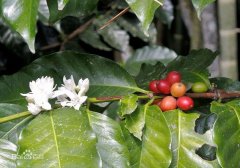
Coffee bean growing environment boutique coffee Hawaii Kona Colombian coffee beans
The suitable climate in Colombia provides a real natural pasture for coffee. Coffee trees in Colombia are mainly cultivated in the Andes, on steep slopes about 1300 meters above sea level, where the annual temperature is about 18 degrees Celsius, annual rainfall is 2000 to 3000 millimeters, latitude 1-11 15 north, longitude 72-78 west, and the specific range of elevation can exceed 2.000 meters. By
2016-04-22 Coffee beans planting environment boutique coffee Hawaii Kona Colombia Goran
Colombian Coffee Coffee basic knowledge
The Colombian Coffee producers Association (Federacion Nacional de Cafeteos de Clolmbia), known as [FNC] for short in the industry, introduced the two main varieties of Colombian coffee, Kaddura and Colombia. Kaddura, which was introduced from Brazil in the 1960s, now accounts for 45-50% of the country's output and has replaced the earliest Tibica. A new variety with the same name as Colombia [Colombia]
2015-06-05 Columbia Coffee Basics Common sense producers Associations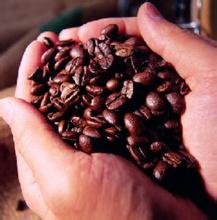
The latest introduction of boutique coffee beans Costa Rican coffee
The coffee beans produced in the high latitudes of Costa Rica are famous in the world, full-bodied, mild in taste, but extremely sour. The coffee beans here have been carefully processed, which is why there is high-quality coffee. Tarasu, located in the south of SanJos, the capital of Costa Rica, is one of the most valued coffee growers in the country. Tarasu (Tarrazu) in the world
2015-12-14 Boutique coffee beans Costa Rica coffee latest introduction high latitude
Boutique coffee beans introduce Colombian coffee
The Colombian Coffee producers Association (Federacion Nacional de Cafeteos de Clolmbia), known as [FNC] for short in the industry, introduced the two main varieties of Colombian coffee, Kaddura and Colombia. Kaddura, which was introduced from Brazil in the 1960s, now accounts for 45-50% of the country's output and has replaced the earliest Tibica. A new variety with the same name as Colombia [Colombia]
2014-11-13 Coffee knowledge boutique coffee beans Colombian coffee
What is the uniqueness of Colombian coffee? Colombian coffee and its
The Colombian Coffee producers Association (Federacion Nacional de Cafeteos de Clolmbia), known as [FNC] for short in the industry, introduced the two main varieties of Colombian coffee, Kaddura and Colombia. Kaddura, which was introduced from Brazil in the 1960s, now accounts for 45-50% of the country's output and has replaced the earliest Tibica. A new breed with the same name as Colombia [Columby]
2016-03-16 Colombia coffee unique what compared with its production
Growing environment in the Andes, a coffee-growing region in Colombia
The suitable climate in Colombia provides a real natural pasture for coffee. Coffee trees in Colombia are mainly cultivated in the Andes, on steep slopes about 1300 meters above sea level, where the annual temperature is about 18 degrees Celsius, annual rainfall is 2000 to 3000 millimeters, latitude 1-11 15 north, longitude 72-78 west, and the specific range of elevation can exceed 2.000 meters. By
2016-06-17 Colombia coffee producing areas Andes mountains cultivation environment suitable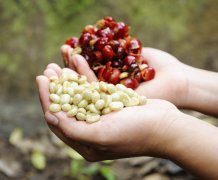
Three baking processes: drying, high temperature decomposition and cooling individual coffee beans roast black coffee by themselves
Newly imported coffee beans usually contain about 12% moisture, and when the coffee beans are roasted at a high baking temperature from 500 to 800 degrees Fahrenheit, when the coffee beans heat up, the water evaporates. Most of the moisture is released in the first few minutes of the baking process, although the baking time in the United States is usually about 15 minutes, which may be 5 minutes or as long as an hour. At 8
2016-07-11 Three baking process drying high temperature decomposition cooling single product coffee beans oneself
The unique geographical environment of Colombian coffee
Costa Rican coffee production has been in a tug of war with Vietnam in recent years, but two ○○ three to two ⊙⊙ was squeezed out by Vietnam in seven years, ranking the third largest producer in the world. Costa Rica is determined to regain its position as the second place, and the second ○○ has worked out a plan to increase production in six years, and is determined to increase its annual output from more than 12 million bags to more than 16 million bags within five years, and win back the world runner-up. In the past, Costa Rica paid more attention to the commercial soybean market.
2015-02-12 Colombia coffee Detian thick geographical environment output these
Introduction to the characteristics of high-quality coffee beans in the producing area of coffee flavor varieties in Lazmus Manor
The suitable climate in Colombia provides a real natural pasture for coffee. Coffee trees in Colombia are mainly cultivated in the Andes, on steep slopes about 1300 meters above sea level, where the annual temperature is about 18 degrees Celsius, annual rainfall is 2000 to 3000 millimeters, latitude 1-11 15 north, longitude 72-78 west, and the specific range of elevation can exceed 2.000 meters. By
2016-09-20 Raz Moss Manor Coffee Flavor Taste Variety producing area characteristics Fine goods
Coffee beans recommend the unique geographical environment of Colombian coffee.
Costa Rican coffee production has been in a tug of war with Vietnam in recent years, but two ○○ three to two ⊙⊙ was squeezed out by Vietnam in seven years, ranking the third largest producer in the world. Costa Rica is determined to regain its position as the second place, and the second ○○ has worked out a plan to increase production in six years, and is determined to increase its annual output from more than 12 million bags to more than 16 million bags within five years, and win back the world runner-up. In the past, Costa Rica paid more attention to the commercial soybean market.
2015-04-02 Coffee beans recommendation Colombia Coffee Detian thick Geography
Colombia Coffee Flavor Taste Introduction Colombia Coffee Features Fine Coffee Beans
Nalinglong Province is closer to the equator, about one degree north latitude, with sufficient light throughout the year; the altitude is more than 1600 meters, and the snow-covered peaks in the territory are not uncommon. The steep mountains and narrow and steep slopes bring warm and diverse climates. The warm and humid airflow rising from the canyon makes coffee planted at high altitudes free from frost, so that coffee can be planted smoothly at a height of 2300 meters.
2016-07-30 Colombia Coffee Flavor Taste Introduction Characteristics Fine Coffee Bean Delicate Province
Introduction of Colombian coffee boutique coffee beans
The Colombian Coffee producers Association (Federacion Nacional de Cafeteos de Clolmbia), known as [FNC] for short in the industry, introduced the two main varieties of Colombian coffee, Kaddura and Colombia. Kaddura, which was introduced from Brazil in the 1960s, now accounts for 45-50% of the country's output and has replaced the earliest Tibica. A new breed with the same name as Colombia [Columby]
2015-01-27 Colombia coffee boutique coffee beans introduction producer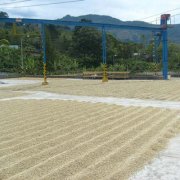
Cultivation of boutique coffee beans in Costa Rica current situation of boutique coffee in Costa Rica
The coffee beans produced at the high latitudes of Costa Rica are famous in the world, full-bodied, mild in taste, but extremely sour. The coffee beans here have been carefully processed, which is why they have high quality coffee. Located in the south of SanJos, the capital of Tarasu, Costa Rica is one of the most valued coffee growers in the country. Tarrazu (Lord of the World)
2016-03-18 Costa Rica boutique coffee beans cultivation coffee status quo Gos Dali Ghosn
The environment of growing coffee beans the growing conditions of fine coffee in Colombia
The suitable climate in Colombia provides a real natural pasture for coffee. Coffee trees in Colombia are mainly cultivated in the Andes, on steep slopes about 1300 meters above sea level, where the annual temperature is about 18 degrees Celsius, annual rainfall is 2000 to 3000 millimeters, latitude 1-11 15 north, longitude 72-78 west, and the specific range of elevation can exceed 2.000 meters. By
2016-04-28 Planting coffee beans environment Colombia coffee boutique conditions suitable
Flavor and taste characteristics of Colombian boutique coffee beans introduction to manor producing area
The suitable climate in Colombia provides a real natural pasture for coffee. Coffee trees in Colombia are mainly cultivated in the Andes, on steep slopes about 1300 meters above sea level, where the annual temperature is about 18 degrees Celsius, annual rainfall is 2000 to 3000 millimeters, latitude 1-11 15 north, longitude 72-78 west, and the specific range of elevation can exceed 2.000 meters. By
2016-08-19 Columbia boutique coffee beans flavor taste characteristics manor producing area introduction